ER or Emergency Dentist? Where To Go in Justin When Tooth Pain Strikes
A toothache can put a crimp in your day. At that time, you need decisive action without delay. This blog explains what truly constitutes an emergency-room visit, what an emergency dentist will be able to repair the same day, and how to protect your health until you get yourself together. You’ll also discover why most dental ailments heal best with dental care, not hospital care. From 2020 to 2022, U.S. emergency departments averaged 59.4 admissions per 10,000 people for tooth issues, but many of those visits did not receive conclusive dental treatment.
Go to the emergency room today if you experience any of the following signs
Go straight to the emergency room or call 911 if you’re experiencing:
- Difficulty breathing or swallowing
- Rapid facial swelling or fever
- Uncontrolled oral bleeding
- Suspected facial trauma or jaw fracture
These red flags may signal airway concerns, high-risk infection, or complex trauma that hospitals treat better. Dental follow-up still matters, but the ER is the right first stop for these situations.
Head to an emergency dentist for most tooth problems
Severe toothache, cracked or chipped tooth, lost crown or filling, or localized dental abscess without systemic symptoms are best treated in a dental office on the same day.
It’s there that you will get final treatment, like pulp treatment, incision and drainage, or extraction, rather than temporary relief. ER or emergency dentist is the right question to ask; for most non-life-threatening issues, a dentist offers the best solution for lasting relief. Hospitals typically provide analgesics or antibiotics, then refer you for dental procedures afterward.
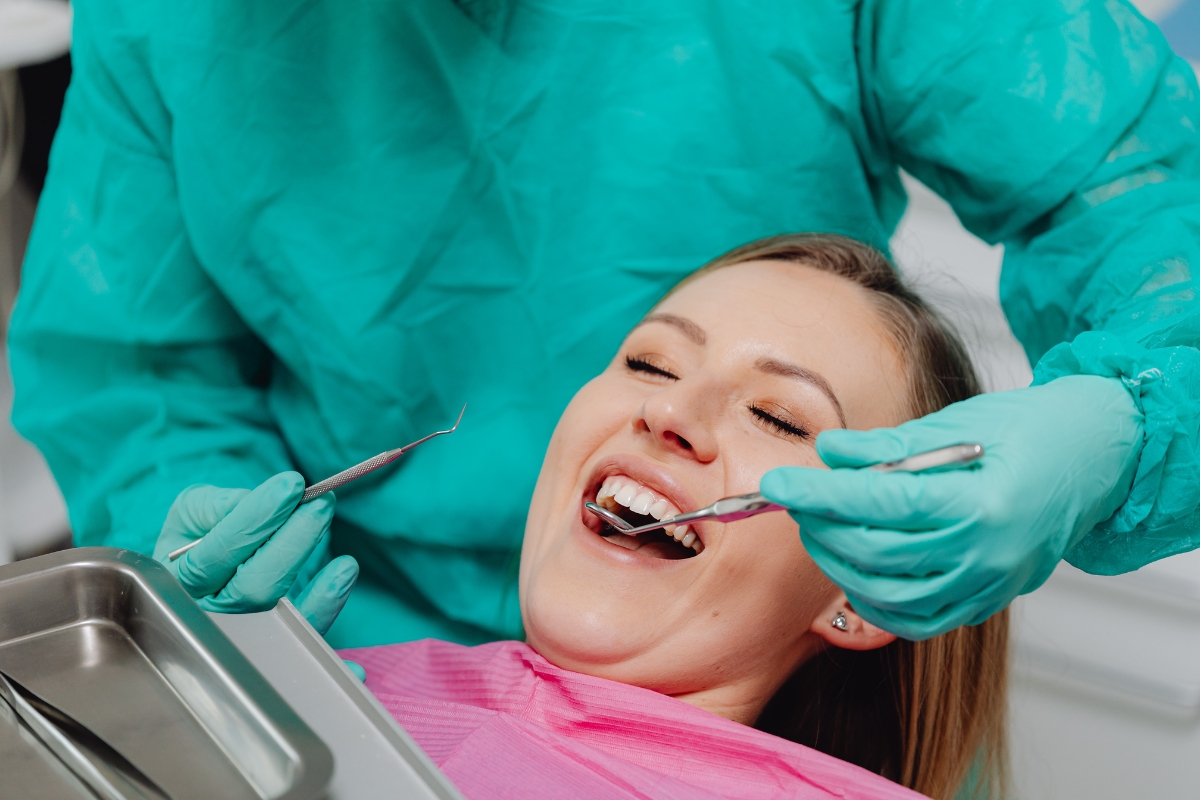
You will get immediate, local treatment with an emergency dentist in Justin, where x-rays, novocain, and same-day treatment can be employed to address the root cause behind the pain, not the symptom.
What the ER can and can’t do for toothaches
Emergency rooms are great at eliminating acute medical risk and addressing severe symptoms. But they typically can’t do root canals, dentoalveolar surgery, or same-day restorations. And so patients will usually be fine for a day or so after the ER, only to continue to need an emergency dental visit to treat the root issue.
Quick steps before you go
- Gently rinse with warm salt water; floss to loosen impacted debris.
- Place a cold compress on the swelling; use OTC (over-the-counter) pain medication as necessary.
- If you’ve an avulsed tooth, store it moist in milk or saliva and obtain an emergency dental visit.
- Do not put aspirin on the gum—it will burn tissue.
- Do not ignore worsening symptoms overnight; escalating swelling deserves urgent evaluation.
How to avoid tooth pain next time
Good habits ward off toothache and crisis: brush twice daily with fluoride toothpaste, floss teeth, wear a nightguard if you grind, and schedule routine checkups.
Visit the ER if you have trouble breathing or swallowing, uncontrollable bleeding, a high fever, facial swelling, or facial trauma. Otherwise, visit a dental clinic for same-day, definitive dental care that corrects the issue and puts you back on track quickly. Call the emergency dentist of Justin for a quick evaluation and same-day oral care. We’ll soothe the pain and resolve the issue today.
Dental done differently
We make going to the dentist an experience you actually look forward to.
Book a Visit