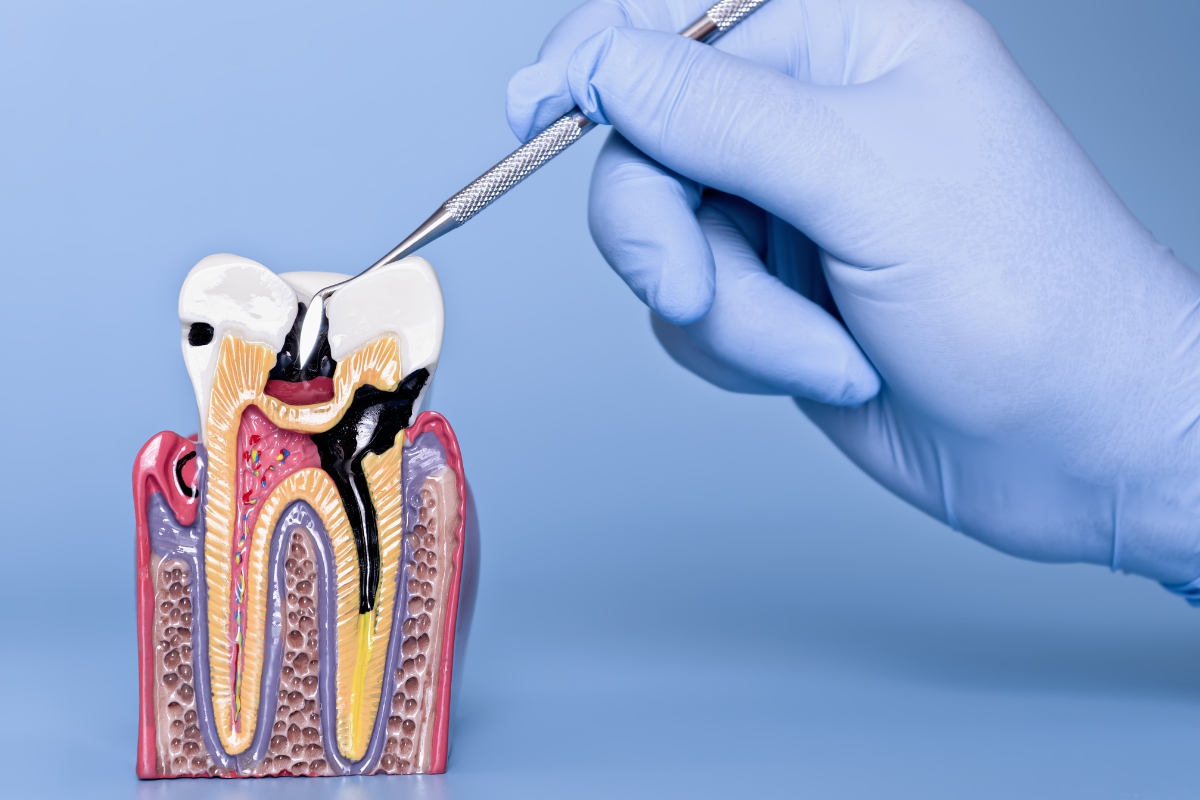
What to Do If You Break a Tooth: A Quick Emergency Guide
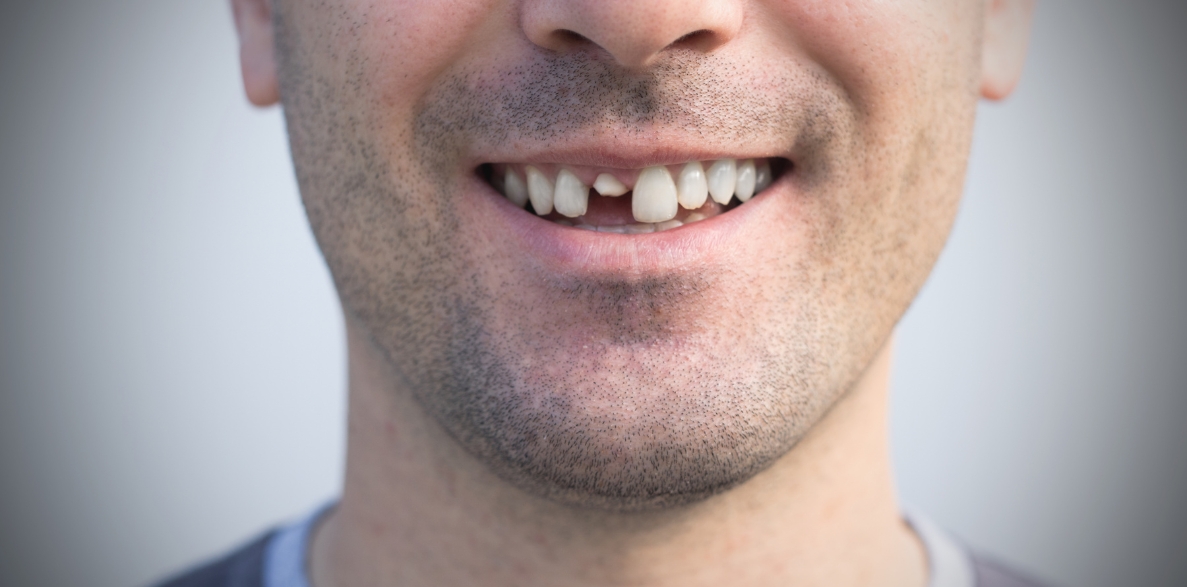
You’re snacking on your favorite snack, and—crack! A sharp, sudden searing pain shoots through your mouth. Panic sets in. Did you break a tooth? A ton of questions bother you. Will it hurt? Can you repair it? Is this a dental emergency? Take a deep breath. If you have a minor chip or a full fracture, the faster you take action, the better.
Inspect the Damage
Not all cracked teeth are the same. Severity determines what comes next:
- Small Chips: If a tiny piece chipped off without causing any hurt, it is not urgent, but contact a dentist as quickly as possible.
- Cracked Tooth: A visible crack with no pain is bad but fixable. But if the crack is deep enough, it will be sensitive and infected.
- Severe Fractures: When the tooth fractures with bleeding or exposed nerves, this is a dental emergency.
- Knocked-Out Tooth: Time is of the essence. Early treatment enhances the chances of saving the tooth.
First Steps After a Broken Tooth
No matter how it happens, these steps can potentially ease your tooth pain and prevent further damage:
- Rinse with Warm Water – This clears away debris and minimizes infection risk.
- Control Bleeding – Apply gentle pressure with a clean cloth or gauze.
- Reduce Swelling – Press a cold compress on the cheek to reduce swelling and pain.
- Protect the Tooth – If a large portion is lost, cover it and protect it with sugar-free gum or dental wax to avoid irritation.
- Save Any Broken Pieces – Your dentist can try to cement them back.
- Avoid Hard or Hot Foods – Keep to lukewarm liquids and soft foods until you are examined.
When to Call an Emergency Dentist?
Not every dental issue is an emergency, but if you notice the following, simply search online using ‘emergency dentist near me’ straight away:
- Severe Pain: It can be a sign of infection or damage to a nerve.
- Sharp Edges Cutting Your Mouth: It can cause more damage.
- Loose or Wobbly Teeth: This is a sign of deeper damage that needs to be treated right away.
- Excessive Bleeding: Continuous bleeding is a sign of a serious issue.
- Swelling or Fever: Signs of infection should never be ignored.
Temporary Relief from Discomfort While Waiting for Treatment
If you can’t get in touch with a dentist immediately, here’s how to handle the discomfort:
- Over-the-Counter Pain Relievers – Ibuprofen or acetaminophen can be taken to control pain.
- Clove Oil – A natural pain reliever that numbs the area temporarily.
- Saltwater Rinse – Destroys bacteria and soothes irritation.
- Dental Cement ( Available in local pharmacies) – A temporary seal until you get professional attention.
How to Prevent Future Tooth Damage?
While accidents are unavoidable, some oral care habits reduce the likelihood of cracking a tooth:
- Wear a Mouthguard – If you grind your teeth at night or play sports, this can protect against impact.
- Don’t Chew Hard Stuff – Ice, hard candy, and even pen tops can fracture teeth.
- Don’t Use Your Teeth as Tools – Using your teeth to open packages is a recipe for disaster.
- Keep Up Regular Dental Appointments – Regular check-ups catch weak teeth before they break.
When there is a dental emergency, timing is everything. Delaying treatment can turn a simple repair into a costly procedure. If you have a broken tooth, don’t wait. Locate an emergency dentist near Justin and get the treatment you need on time. Acting quickly could be the difference between saving and losing a tooth.
Dental done differently
We make going to the dentist an experience you actually look forward to.
Book a Visit