How Can I Prevent Cavities After Getting Fillings?
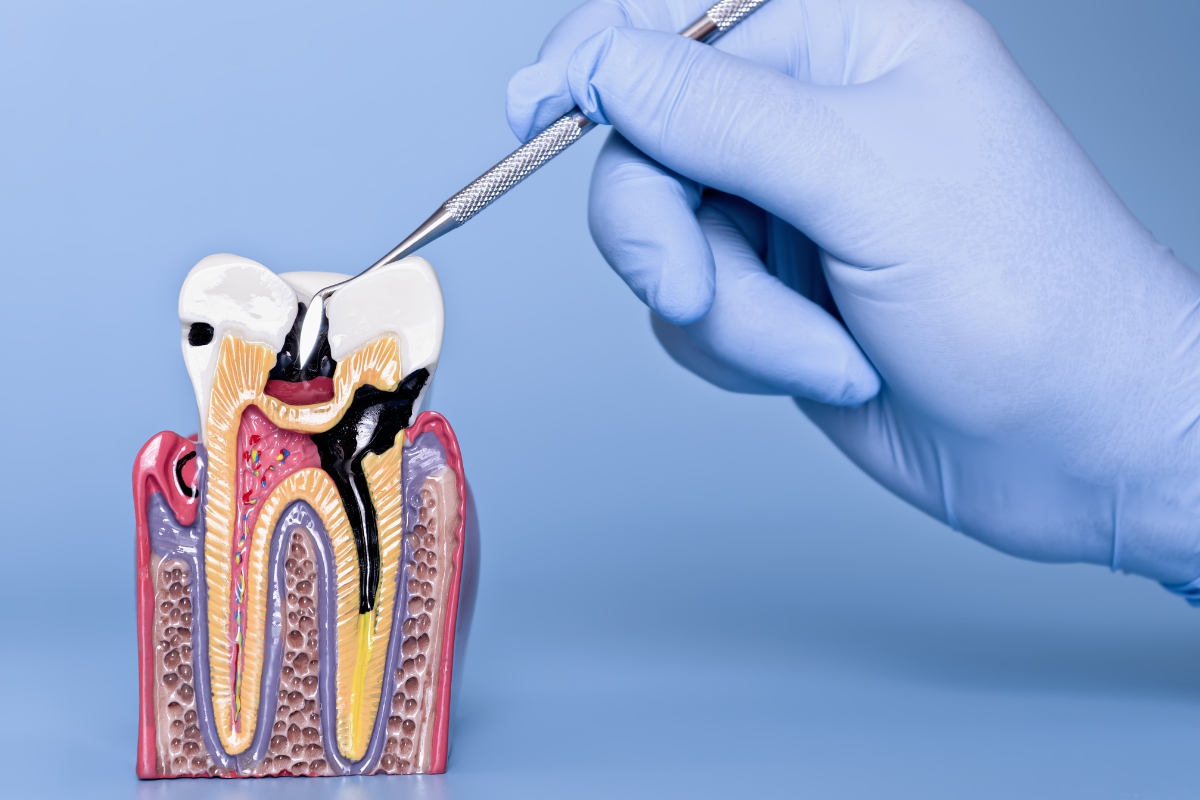
Anyone can get cavities, and fillings are the go-to fix for teeth damaged by decay. But getting a filling doesn’t mean you can ignore your oral health. You still need to maintain your oral care routine if you want your dental fillings to last. So, what should you do after getting a filling? Here’s how to keep your smile healthy and stop cavities before they start.
Start with the basics: good oral hygiene.
The better you clean your teeth, the less room bacteria have to cause trouble. Make brushing twice a day non-negotiable. Use fluoride toothpaste and spend at least 2 minutes brushing around your fillings, as food can easily get stuck there.
Pick a soft-bristled toothbrush. It’s gentler on your gums and fillings, and helps prevent extra wear. Stiff bristles can wear down fillings faster, so skip those.
Don’t forget to floss every day. Flossing removes food and plaque from areas your brush just can’t reach, like along the edges of your fillings.
Watch what you eat, too.
Sticky and sugary foods, like candy, dried fruit, and soda, love to cling to your teeth and fillings. They feed bacteria, promote plaque buildup, and can lead to more decay, especially around your fillings. If you do treat yourself, brush and floss soon after to keep things in check.
Keep up with your dental checkups.
After you get fillings, seeing your dentist regularly matters even more. Your emergency dentist can spot any problems early, check that your fillings still look good, and give your teeth a professional clean. Most of the time, twice a year is enough, but listen to your dentist’s advice.
Use Fluoride to Strengthen Your Teeth
Fluoride strengthens your teeth and makes them more resistant to new cavities. Most toothpastes have it, but you can ask your dentist about fluoride treatments or rinses if you want additional protection around your fillings.
Don’t ignore your diet.
Eating calcium-rich foods, such as dairy, leafy greens, and almonds, helps keep teeth strong. Crunchy, high-fiber foods like apples or carrots can actually help clean your teeth as you chew. At the same time, try to eliminate acidic foods and drinks, such as soda and citrus, from your diet, since acids can wear down enamel and the edges of fillings.
Treat your teeth with care.
Don’t use them to open packages, bite your nails, or crunch ice. It’s easy to damage or even crack a filling that way, which just means more time in the dentist’s chair.
And here’s something people don’t always think about—if you feel pain, notice sensitivity, or think something’s unusual with a filling, don’t wait. Get in touch with an emergency dentist in Justin. They’ll check things out fast and stop a minor issue from getting worse.
FAQs
1. How long will my filling last?
Fillings can last anywhere from 5 to 15 years, depending on the material used and how well you care for them. Regular checkups ensure they stay in good condition.
2. Can cavities form around fillings?
Yes, cavities can form around the edges of fillings when plaque and bacteria accumulate. Proper brushing, flossing, and dental checkups can help prevent this.
3. Is it normal to feel sensitivity after a filling?
Some sensitivity after a filling is normal, but it should subside within a few weeks. If it persists or worsens, consult your dentist.
4. How can I keep my fillings clean?
To keep your fillings clean, brush twice a day, floss regularly, and use fluoride products. Avoid sugary foods that can stick to the filling and contribute to decay.
Dental done differently
We make going to the dentist an experience you actually look forward to.
Book a Visit