Cracked Tooth Crisis: What Should You Do Before Visiting An Emergency Dental Care Office

A cracked tooth can be very sudden and quite alarming. Be it because of something too hard that was bitten into or some other form of injury, the pain and the shock can be quite overwhelming. You need to act fast to prevent further damage and to decrease discomfort. Knowing what you can do before visiting an emergency dentist will make all the difference in preserving your tooth and easing your pain. Fortunately, if done properly, you may be able to manage the situation well enough until you can get professional attention.
In this blog, you will learn how to deal with a cracked tooth, what you should do right away, and when to seek emergency assistance. When you are prepared for a dental emergency, you are able to take immediate and confident action-the key to getting the best care possible from your emergency dentist.
What to Do Immediately After Cracking a Tooth?
The first thing after cracking a tooth is to assess the damage. If your tooth has cracked and there is no pain, you might not need to rush. However, if there is pain, swelling, or bleeding involved, it is time to take immediate action. Gently rinse your mouth with warm water to clean the area and remove any debris. Avoid hot or cold water; such water will increase the pain. If there is swelling, place a cold compress on the outside of your cheek to reduce inflammation.
While you are dealing with the discomfort, it is essential that you avoid chewing on that side of your mouth. Chewing may exacerbate the crack or further damage the surrounding tissue. If a portion of your tooth has broken off, try to save it, if possible, and bring it to your emergency dentist in Justin, TX. This can help them decide on the most effective course of action.
How to Manage Pain Before You See an Emergency Dentist?
Pain is one of the immediate concerns when dealing with a cracked tooth. Over-the-counter pain relievers can help manage discomfort by reducing inflammation that may be contributing to the pain. However, always follow the instructions on the label, as overuse can cause further problems for your health. Avoid placing aspirin on the cracked tooth, as this can burn the gum tissue and exacerbate the problem.
You can also numb the area by gently applying a cold compress to the outside of your cheek. The cold will help reduce swelling and provide some relief from the pain. Remember that this is only temporary, and the best long-term solution is to see an emergency dentist near you.
When to See an Emergency Dentist?
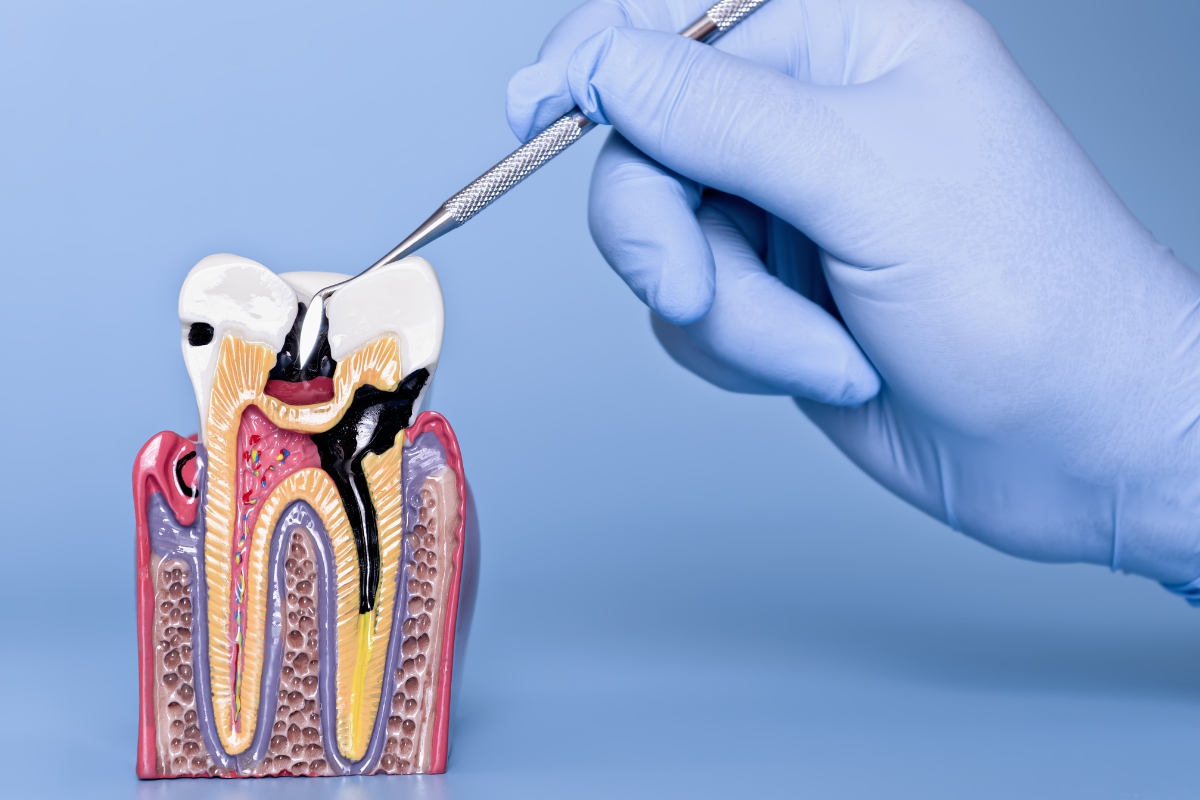
Knowing when to see an emergency dentist makes all the difference between saving your tooth and not. If the crack extends deep into the tooth or if you experience sharp pain, swelling, or an exposed nerve, it is time to visit your dentist. An emergency dentist can assess the damage and let you know whether the tooth can be saved or requires a more serious procedure.
The urgency of the situation will depend on the severity of the crack and your dental health. Your dentist might recommend a simple filling or bonding if the crack is small. If the crack is severe and exposes the inner pulp of the tooth, root canal therapy or even extraction may be necessary. A nearby emergency dentist can make sure the damage is contained and prevent infection.
Quick Action for Your Dental Health
A dental emergency can be serious when it comes to a cracked tooth; however, with the right approach, you can protect your tooth while managing the discomfort. To avoid further damage, stay calm, follow immediate care steps, and look for an emergency dentist near you.
If you are facing a cracked tooth, never hesitate to reach out. At Justin Dental and Braces, we understand how urgent dental emergencies can be. Our team is here to provide the care you need with professionalism and compassion. Schedule an appointment with us today to get the treatment you need and restore your smile to full health.
FAQs
1. What should I do if my tooth is cracked but not painful?
Even if your cracked tooth isn’t painful, it’s best to get it checked by an emergency dentist. The crack could worsen over time, leading to more significant issues.
2. Can a cracked tooth heal on its own?
A cracked tooth usually requires dental intervention to prevent further damage or infection. Treatment options vary depending on the severity of the crack.
3. How do I know if my tooth needs a root canal?
If you experience sharp pain, swelling, or sensitivity to hot and cold, the crack might have affected the tooth’s pulp, requiring a root canal to save it.
4. Can I still eat with a cracked tooth?
Avoid chewing on the side with the cracked tooth to prevent further damage. Soft foods are recommended until you can see your dentist.
5. How long can I wait before seeing an emergency dentist?
It’s crucial to see a dentist as soon as possible after cracking your tooth. The longer you wait, the greater the risk of infection or further damage.
6. Will my dentist be able to fix a cracked tooth permanently?
Most cracked teeth can be repaired successfully. The treatment depends on the severity of the crack, and an emergency dentist will provide the best solution for your case.
Dental done differently
We make going to the dentist an experience you actually look forward to.
Book a Visit